30 July 2026
A Beginner’s Guide to Running Your First 5K
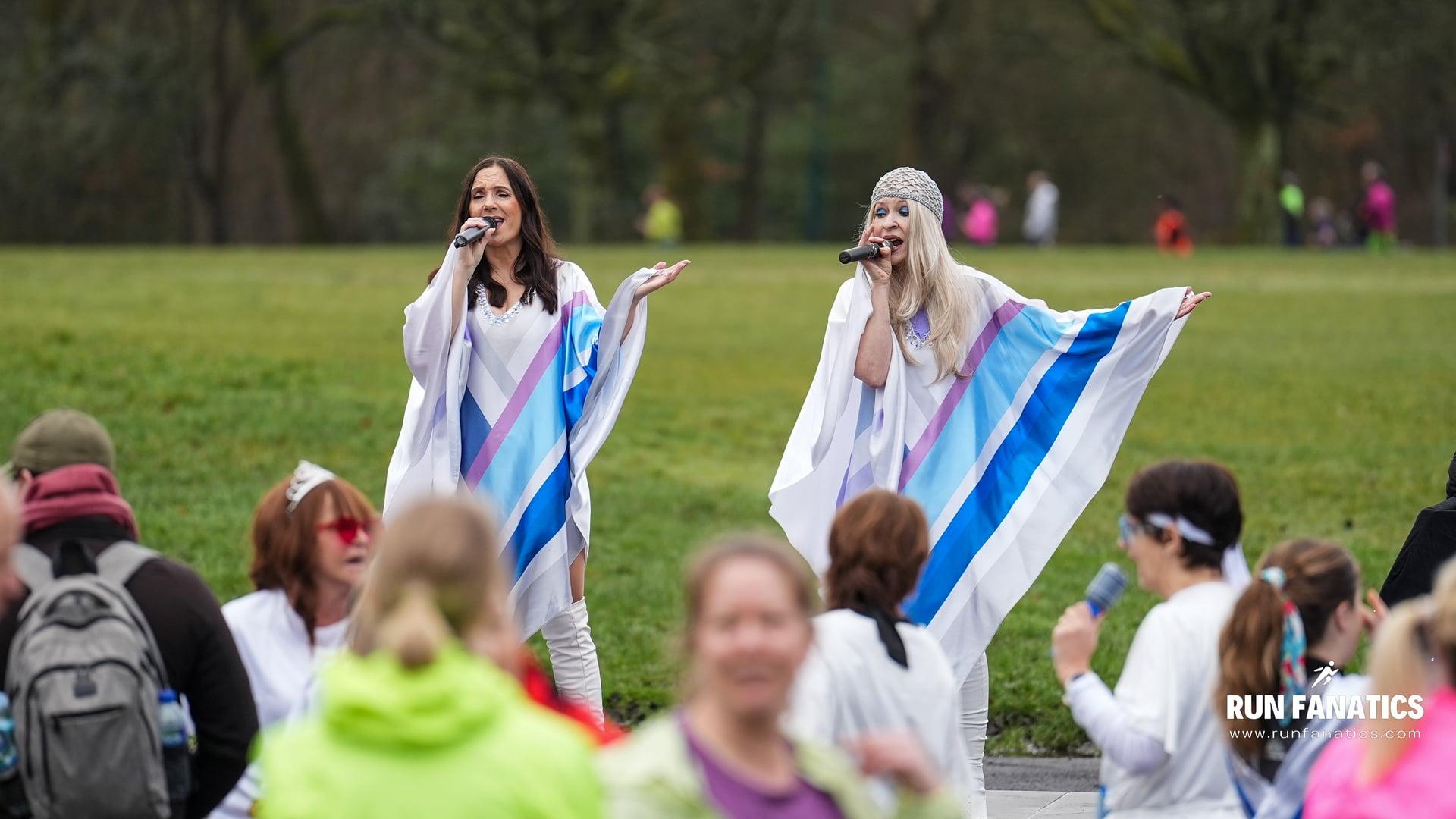
Thinking about running your first 5K? You’re more capable than you might realise.
A 5K is 3.1 miles, and you don’t need to be an experienced runner to complete one. You can run, jog, walk or combine all three. Your first goal should simply be to reach the finish line and enjoy the experience—your finishing time can wait!
Start with run-walk intervals
Trying to run the full distance immediately can feel overwhelming. Instead, begin with short periods of gentle running followed by walking.
For example:
- Jog for one minute.
- Walk for two minutes.
- Repeat this eight times.
As your fitness improves, gradually increase the running sections and shorten the walking breaks. Keep the pace comfortable—you should still be able to speak in short sentences while running.
Follow a simple plan
Aim for three sessions each week, leaving at least one rest day between them.
Here’s a straightforward six-week plan:
- Week 1: Run for 1 minute, walk for 2 minutes. Repeat 8 times.
- Week 2: Run for 90 seconds, walk for 2 minutes. Repeat 7 times.
- Week 3: Run for 2 minutes, walk for 2 minutes. Repeat 7 times.
- Week 4: Run for 3 minutes, walk for 2 minutes. Repeat 6 times.
- Week 5: Run for 5 minutes, walk for 2 minutes. Repeat 4 times.
- Week 6: Run for 8 minutes, walk for 2 minutes. Repeat 3 times.
There’s no problem with repeating a week if you don’t feel ready to progress. Everyone improves at a different pace, so listen to your body.
Don’t worry about speed
One of the most common beginner mistakes is running too quickly. Your training runs should feel relaxed and controlled—not like a sprint.
Slow down if you’re struggling to breathe or feel completely exhausted after a few minutes. Running slowly still counts, and it will help you build the fitness needed to go further.
Wear something comfortable
You don’t need lots of expensive equipment to begin running. A comfortable outfit and a suitable pair of trainers are enough.
Your trainers should feel supportive and shouldn’t rub or pinch. Wear them during several training sessions before your 5K—race day is not the time to test brand-new shoes!
Dress for the weather, but remember that you’ll quickly become warmer once you start moving.
Warm up before each run
Before running, spend five minutes walking at a brisk pace. You can also include a few gentle movements such as:
- Leg swings
- Ankle circles
- Marching on the spot
- Gentle bodyweight squats
After your run, walk slowly for another five minutes to allow your breathing and heart rate to settle.
Rest is part of your training
Rest days give your body time to recover and become stronger. Avoid suddenly running every day, even if you’re feeling enthusiastic.
Gentle walking, swimming or cycling can help you stay active between runs without placing too much strain on your body. If you experience sharp pain or pain that becomes worse as you run, stop and allow yourself time to recover.
What to do on the day
Give yourself plenty of time to arrive, find the start area and use the toilet. Eat a familiar breakfast around two or three hours beforehand—something simple such as toast, porridge or a banana can work well.
Start more slowly than you think you need to. It’s easy to get carried away by the excitement and follow faster runners, but keeping a steady pace will make the final kilometre much more enjoyable.
And remember: walking is completely fine. Taking a short walking break can help you recover and finish strongly.
Enjoy your achievement
Crossing the finish line of your first 5K is something to celebrate, regardless of your time. You’ve trained, challenged yourself and completed something that may once have felt impossible.
Take in the atmosphere, accept the cheers and be proud of yourself. Your first 5K is about discovering what you can do—and you might surprise yourself.